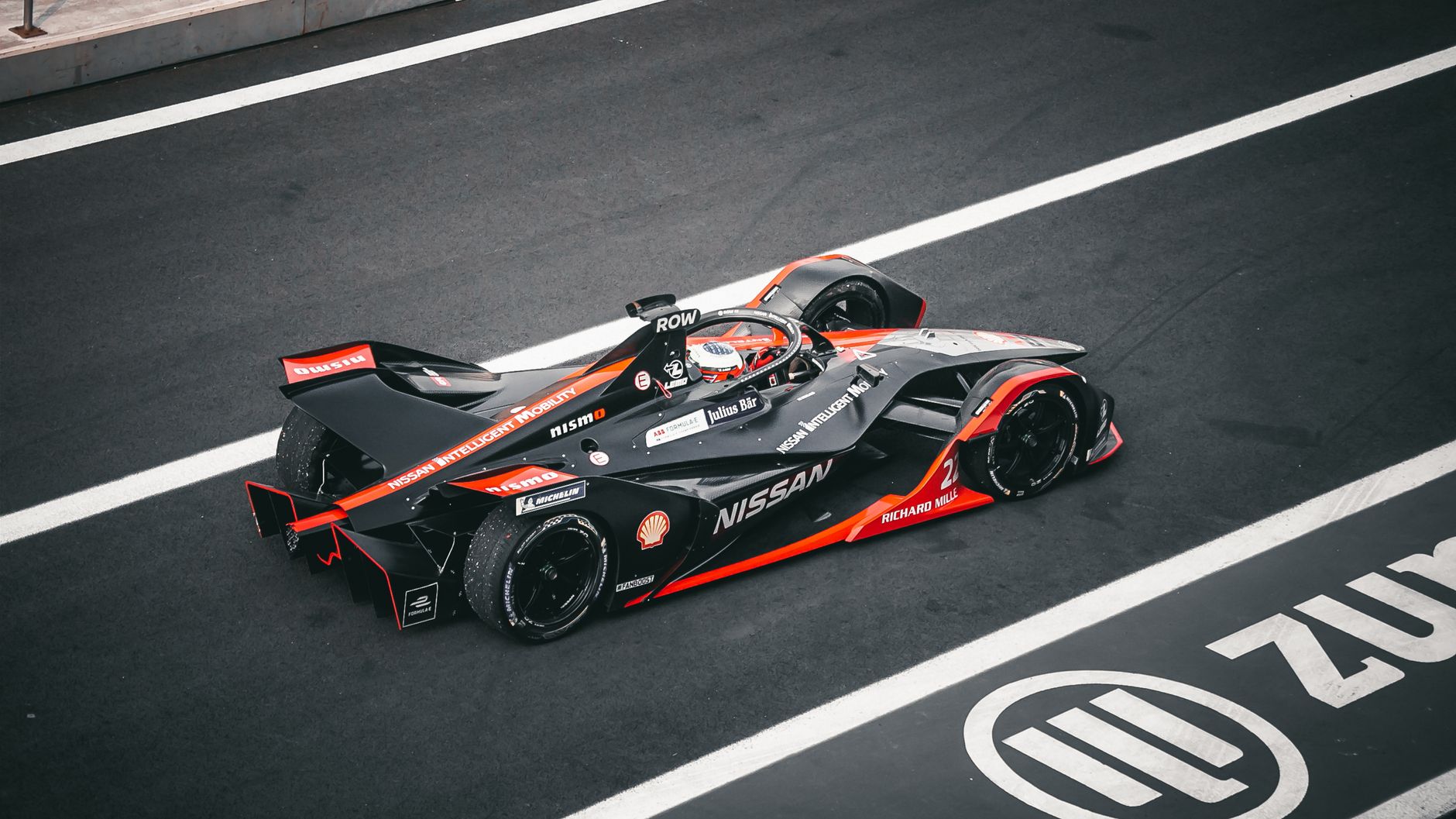
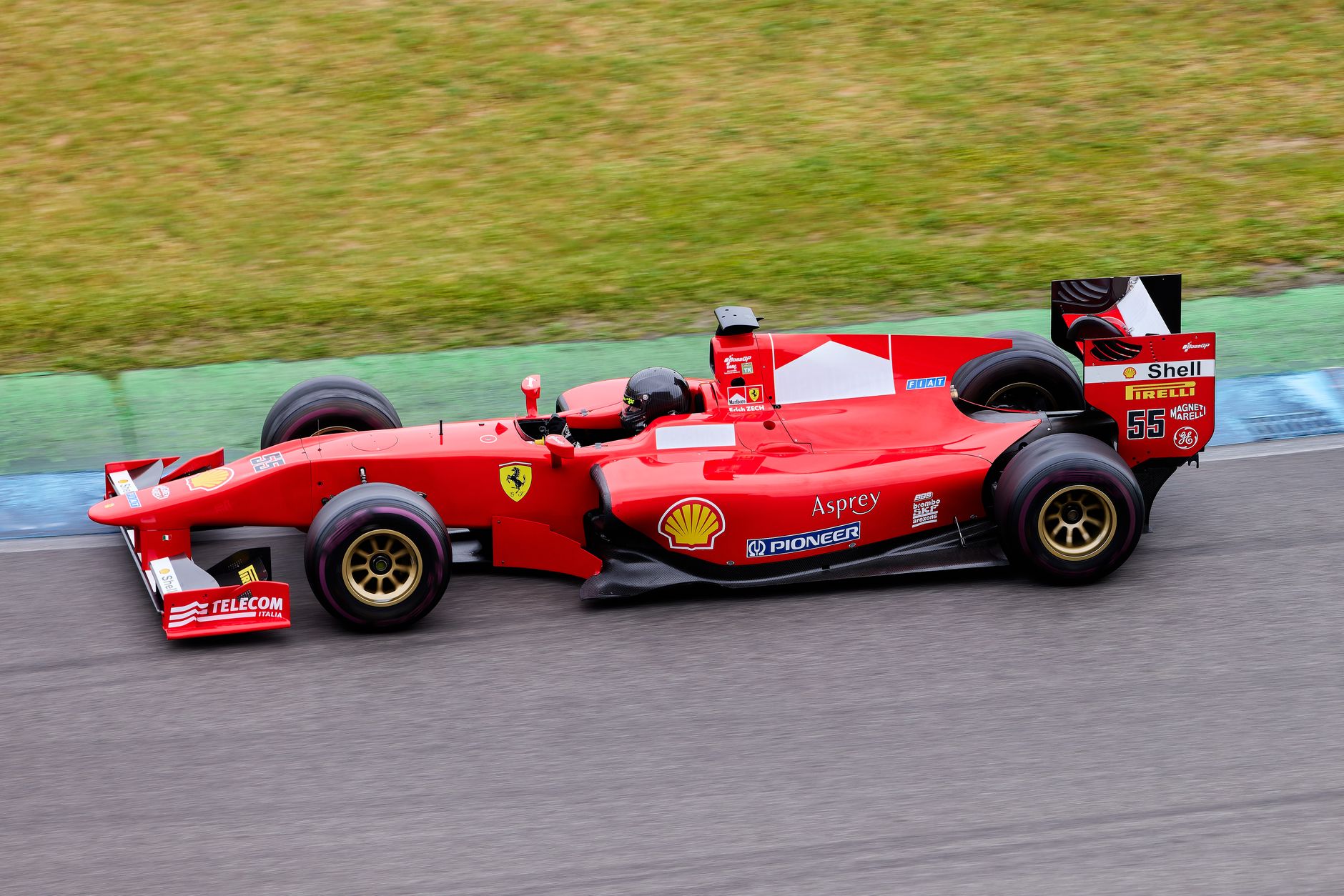
Formula E works best when it is not treated as a smaller Formula 1. It has a different rhythm, different race texture and a very different way of turning strategy into drama.
The championship is built around E-Prix weekends, usually on tight city circuits. That gives the series a street-fight personality: walls are close, braking zones are heavy, track evolution is sharp and one late safety-car moment can change the result.
For a new fan, the first thing to understand is the calendar. Formula E races are not always placed like a traditional Grand Prix weekend. Some events run as double-headers, which means the same city can host two scoring races across one weekend.
That makes standings movement faster. A driver can leave a double-header with a huge points swing, or lose a championship lead in two races without leaving the same city.
The second thing to understand is energy. Formula E is not only about being fast. Drivers must manage usable energy, regeneration and attack-mode timing while fighting for track position.
Attack Mode is the headline feature most F1 fans notice first. A driver leaves the racing line to activate extra power for a defined period. The trick is timing it so the activation cost does not hand a rival the position for free.
The format creates a different kind of tension. In F1, tyre life and pit stops often shape the race. In Formula E, energy targets, regen efficiency, attack-mode timing and safety-car calculation can decide whether a driver has enough pace left at the end.
That is why the standings should be read with context. A points table tells you who leads, but it does not tell you whether a driver has been efficient, whether a team is strong on street circuits, or whether a double-header masked the real race pace.
WonFormula will treat Formula E as its own coverage lane: schedule guides, standings explainers, Mahindra Racing updates, technology explainers and race-weekend recaps for fans who want the electric series without needing a new vocabulary every time.