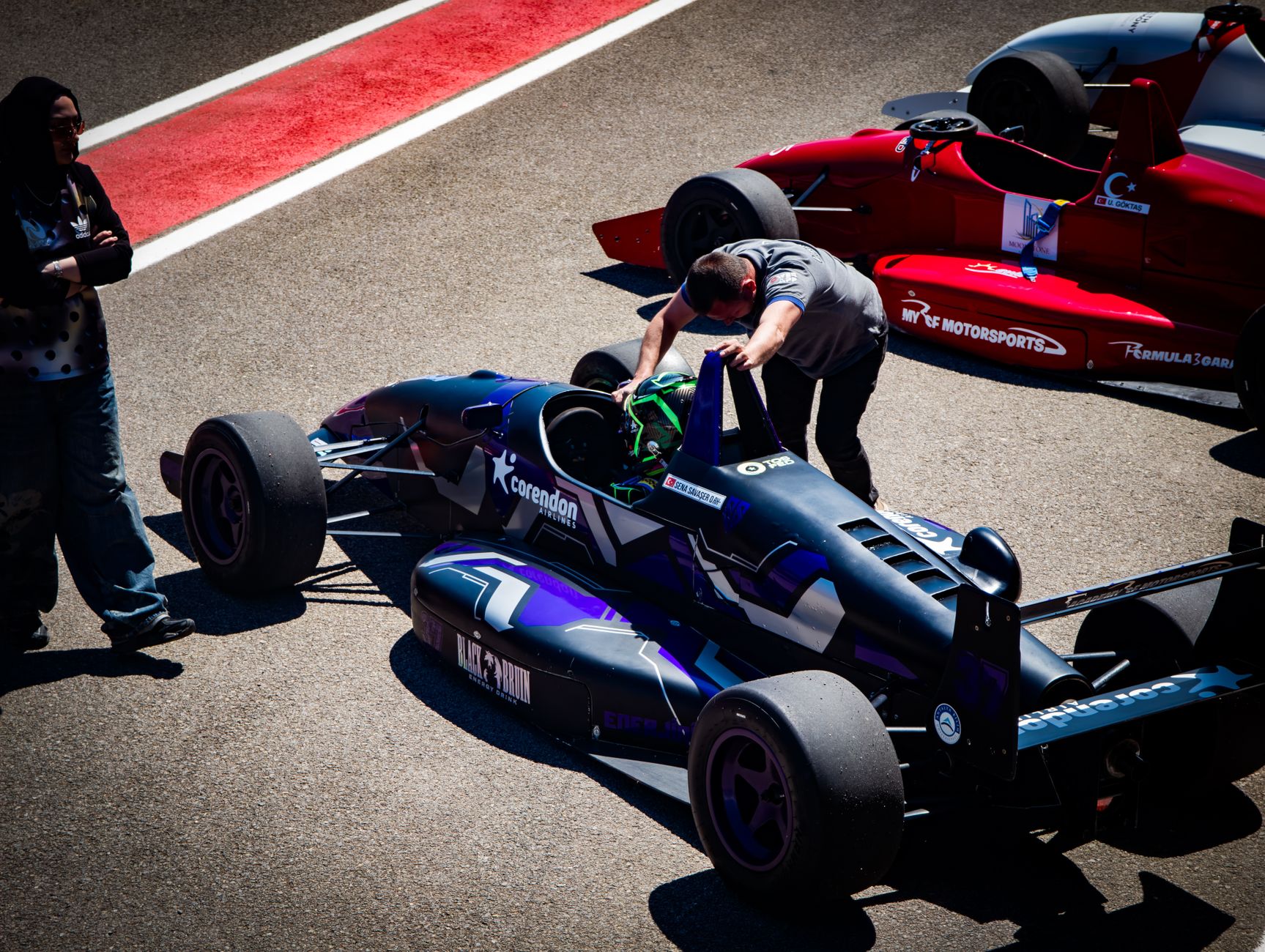
Pierre Gasly believes rain could turn the Canadian Grand Prix into an “elimination game” as Formula 1 drivers wrestle with cold tyres and limited grip in Montreal.
The warning is not just standard pre-race caution. Drivers have already found tyre preparation difficult in dry conditions at the Circuit Gilles Villeneuve. Several needed an extra warm-up lap before pushing properly, which points to a wider problem if the track gets wet.
Montreal is a fast, stop-start circuit. It has long straights, heavy braking zones and chicanes rather than long, loaded corners. That means the tyres do not get worked as hard through the lap.
For fans, that detail matters. Tyres need heat to produce grip. When they sit below the ideal temperature range, the car slides, braking distances grow and traction becomes unpredictable.
In the dry, that can cost lap time. In the wet, it can decide who stays in the race.
Gasly’s “elimination game” line captures the mood around the paddock. The current full wet tyre has become a frequent talking point among drivers, especially when standing water and low temperatures combine. The issue is not that drivers dislike rain. Many enjoy the skill test. The concern is whether the tyre gives them enough confidence when visibility, spray and track temperature all work against them.
A wet Canadian Grand Prix would test that immediately. Montreal’s walls sit close, especially around the final chicane. There is little room to recover from a snap of oversteer or a locked front tyre. One small error can become a retirement.
The circuit also asks drivers to attack kerbs. In dry conditions, those kerbs help rotate the car and shorten the corner. In the wet, painted surfaces and kerb edges can become traps. A car that lands awkwardly can lose traction before the driver has time to correct it.
That is why tyre warm-up sits at the centre of the story.
When a driver leaves the pits, the tyre is not instantly ready. Teams use tyre blankets before a run, but the rubber still needs energy from braking, cornering and acceleration. At Montreal, the lap does not naturally generate as much continuous load as circuits with sweeping bends.
The result is a narrow operating window. Drivers may need to spend more time preparing the tyre before attacking. In qualifying, that can disrupt traffic patterns. In a race, it can make restarts risky.
If rain arrives, the strategic picture also changes. Teams must choose between intermediate tyres and full wets depending on water levels. Intermediates are quicker when the track is damp but not flooded. Full wets clear more water, but drivers have questioned how much performance they offer in current conditions.
That choice can split the field. A team that guesses correctly gains track position. A team that waits too long can lose a race in two laps. The problem becomes harder when drivers report that even dry tyres are taking time to reach their best range.
Gasly’s warning also carries weight because midfield races often turn on these moments. In a mixed-condition grand prix, the fastest car does not always score the best result. Timing, tyre feel and clean execution can matter more than pure pace.
That gives teams like Alpine, and drivers such as Gasly, a possible opportunity. Wet races can compress the field. They can bring slower cars into play through Safety Cars, pit timing and driver confidence. But they also punish teams that lack stability or struggle to switch tyres on.
The Canadian Grand Prix has long had that kind of reputation. It rewards bravery under braking and punishes impatience. It is also a race where interruptions can reshape the order quickly, especially when weather adds uncertainty.
For drivers, the first lap after a pit stop or Safety Car restart could be the danger zone. Cold tyres, wet kerbs and spray from cars ahead make judgment harder. Drivers must brake earlier, leave more margin and still defend position.
That balance is brutal. Give too much space and rivals attack. Push too hard and the car can step beyond the limit. Gasly’s “elimination” description is dramatic, but the logic behind it is simple.
The biggest concern is not just outright rain. It is changeable rain. A track that moves from damp to wet, then back toward drying, creates constant decision pressure. Drivers search for grip offline. Engineers watch sector times. Strategists try to predict whether the next shower will arrive before the next pit window.
In those conditions, confidence becomes performance. A driver who trusts the tyre can brake later and carry speed. A driver who doubts the grip loses time before any mistake appears on screen.
That is why the tyre debate matters beyond Montreal. Formula 1 has spent recent seasons trying to improve wet-weather racing, but drivers still need a tyre they can lean on when the track is genuinely soaked. If the wet compound does not inspire confidence, races can become conservative or chaotic, with little middle ground.
For Indian fans watching from afar, the key is simple. If Sunday stays dry, tyre preparation will still matter, especially on out-laps and restarts. If rain hits, the race may become less about long-run pace and more about survival, timing and nerve.
Gasly has not predicted certain chaos. He has identified the risk. Montreal’s layout, cold tyres and wet-weather uncertainty could combine into a race where mistakes remove cars one by one.
That would make the Canadian Grand Prix fascinating. It would also make it unforgiving.