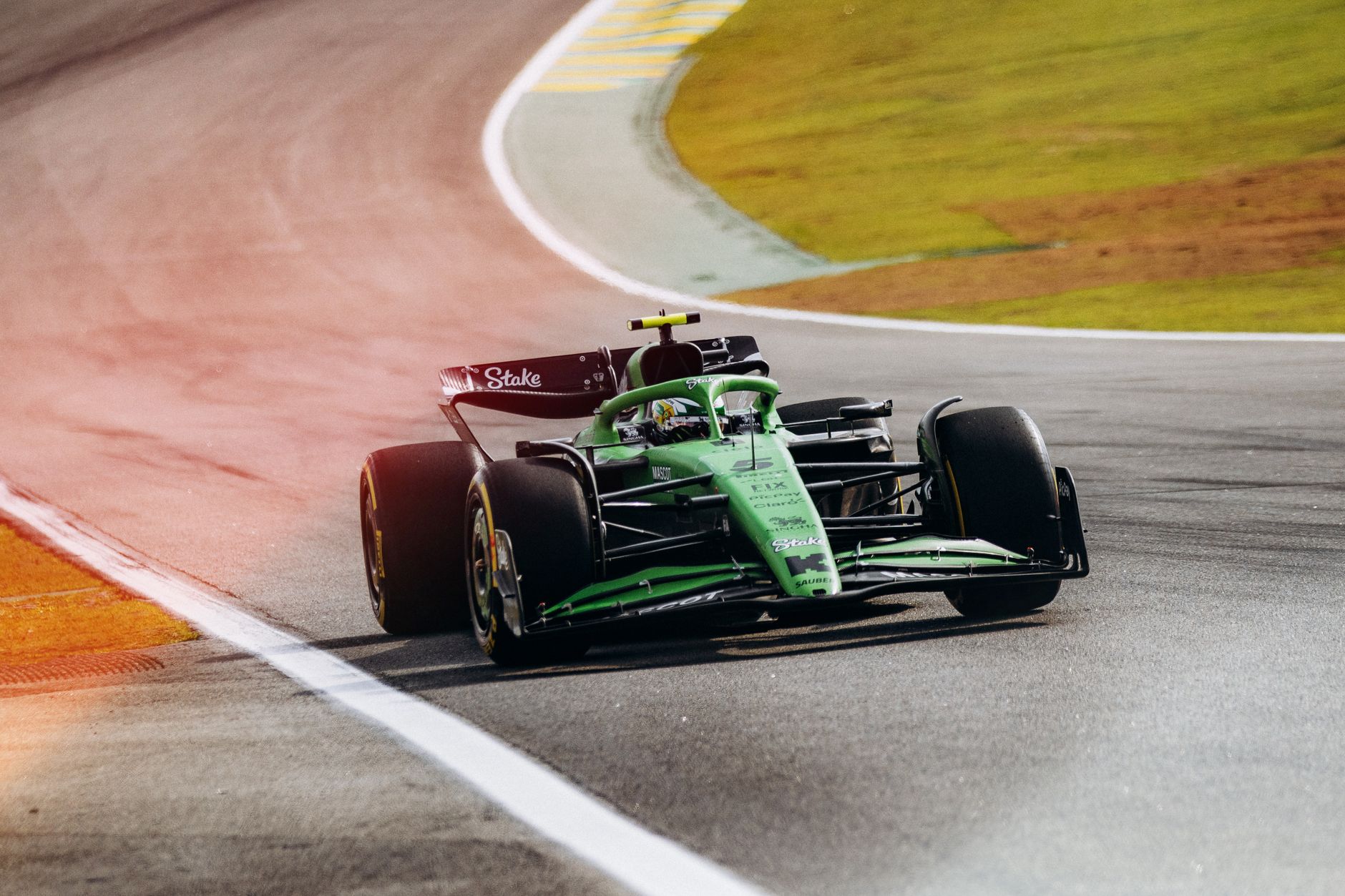
Isack Hadjar will start seventh for the Canadian Grand Prix, but he left Montreal qualifying angry with himself rather than satisfied.
The 21-year-old French driver ended Q3 just 28 milliseconds behind Max Verstappen, who qualified sixth. On paper, that is a strong Saturday. In Hadjar’s mind, it was a missed chance.
His frustration came from the final moments of qualifying, where small mistakes carry a big cost. Q3 is the last part of qualifying. It decides the front end of the grid and usually rewards drivers who can deliver one clean lap under the highest pressure.
Hadjar felt he did not do that.
He said he had left too much lap time on the circuit and admitted he was “very upset” with his recent Q3 execution. He pointed to a pattern since Miami, saying he has not been delivering when the final lap matters most.
That detail matters. Hadjar was not complaining about a slow car or a messy session. He put the blame on his own delivery.
He said he had made mistakes, lacked sharpness in the final Q3 laps, and over-drove the car. In racing terms, over-driving means asking too much from the tyres and the car. A driver may brake a little too late, carry too much speed, or force the steering too hard. The lap can feel committed, but the stopwatch often punishes it.
The cost was clear in Montreal. Hadjar believed the car had more pace than seventh place showed.
That is why his reaction felt so pointed. Seventh on the grid still puts him in a useful race position. It keeps him in the fight for points and gives him a view of the front group. But when the gap to Verstappen is only 0.028 seconds, every tiny slide and correction becomes painful.
Hadjar’s comments also revealed the difficult balance young drivers face in a top-pressure environment. He has speed. He has already shown enough to be judged against high standards. But speed alone does not complete a qualifying lap.
The final run in Q3 is a mental test as much as a driving test. The track evolves. Fuel loads are low. Tyres need to be placed in the right temperature window. Traffic can disturb preparation. Then the driver must switch from planning to instinct.
Hadjar suggested that final switch is still not natural enough for him.
He said the issue was a combination of factors. He described the RB22 as a car that is not easy to drive and sits on a fine edge. That means it can produce lap time, but only if the driver keeps it inside a narrow operating window.
A fine-edge car can be quick when the tyres, balance and driver inputs all line up. It can also punish small excesses. Push a fraction too hard, and the rear may step out. Turn in a shade too sharply, and the front tyres may lose grip. The lap does not need a major error to lose a tenth.
Hadjar also noted the stop-start rhythm of the season phase. He said there had been only two races in eight weeks, making it harder to stay sharp. For fans, that may sound surprising. F1 drivers train constantly, spend time in simulators, and work through race preparation in detail.
But racing sharpness is different. It comes from live pressure, changing grip, real track limits and the stress of one final lap. Long gaps can interrupt that rhythm, especially for a young driver still building his weekend routine at the highest level.
His most interesting point was personal. Hadjar said part of the problem was wanting it too much.
That is a familiar trap in qualifying. The driver knows the car is capable. The timing screens show an opportunity. The team expects a result. The driver then tries to consciously control every part of the lap, rather than letting rhythm and feel take over.
Hadjar said he likes thinking and being in control, but that approach did not help him on Saturday. He spoke about needing to disconnect more in the cockpit and think less in the moment.
That is not an excuse. It is a revealing admission.
Modern F1 often looks like a sport of data, procedures and engineering detail. It is. But at the end of qualifying, the driver still has to turn all of that into a lap that feels almost automatic. The best qualifiers do not simply know where the time is. They access it without forcing the car past its limit.
For Hadjar, the Canadian Grand Prix now becomes a chance to turn frustration into race craft.
Starting seventh in Montreal is not a dead end. The circuit can produce Safety Cars, tyre decisions and overtaking chances, especially if the race settles into different strategy paths. A driver starting in the lower part of the top 10 must protect position early, manage tyres cleanly, and be ready when rivals ahead make pit stops.
His proximity to Verstappen also adds interest. Hadjar was close enough in qualifying to know that a better final lap could have changed the story. That can hurt on Saturday night, but it can also sharpen the race-day mindset.
The danger is carrying that frustration into Sunday. Montreal punishes impatience. The walls are close, traction zones matter, and drivers need discipline when following another car. A messy first stint could undo the benefit of a strong grid slot.
The opportunity is just as real. If Hadjar settles quickly and keeps the tyres alive, seventh gives him a platform for a serious points finish. It also lets him measure himself against drivers who qualified just ahead, rather than fighting through traffic from the back half of the grid.
For Red Bull, the session showed both promise and pressure. Hadjar felt the car was strong enough to be higher. That is encouraging for race pace, but it also raises the internal standard. When a driver says the car was “brilliant” and he should have been up there, the next question is simple: can he convert that potential when it counts?
That answer will not come from another interview. It will come from the opening laps, the pit wall’s calls, and Hadjar’s ability to reset after a self-critical Saturday.
His honesty will connect with fans because it was not polished paddock language. He did not hide behind conditions or vague balance problems. He said he missed his best chance and explained why.
Now he needs the harder part. He needs to make seventh on the grid look like the start of a recovery, not the result that got away.