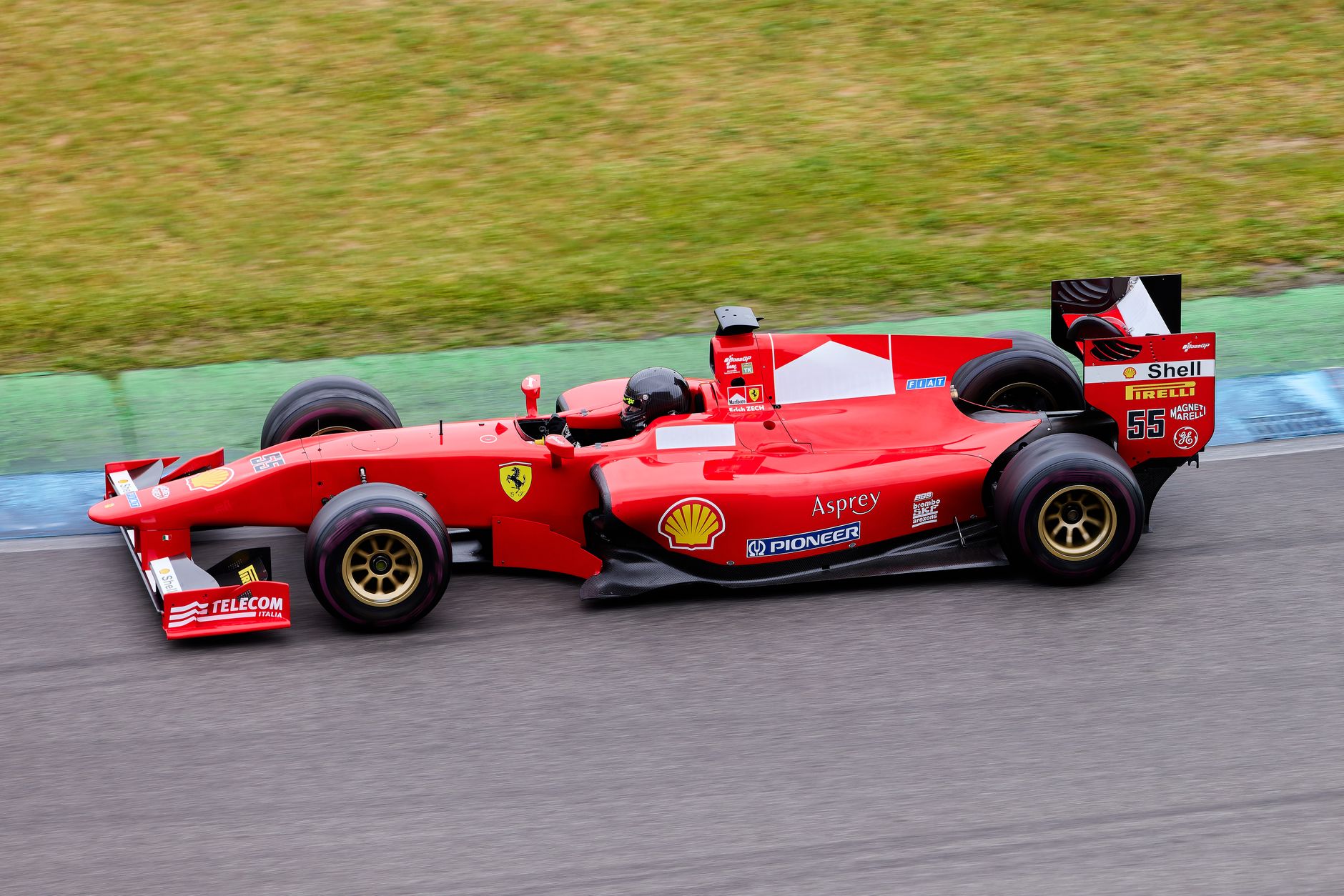
Mercedes has brought eight upgrades to the Canadian Grand Prix, making Montreal a serious test of its 2026 development push.
The number matters. One new part can suggest fine-tuning. Eight changes point to a wider attempt to shift the car’s performance window.
Bernie Collins and Ted Kravitz examined the Mercedes package in a technical segment before the Canadian Grand Prix. The available detail confirms the scale of the update, but it does not provide a part-by-part list.
That distinction matters for readers. Mercedes has not simply become faster because eight items appeared on the car. Formula 1 upgrades only count when the stopwatch, tyre data and driver feedback agree.
An upgrade is a new or revised component designed to improve lap time. It may target aerodynamic grip, straight-line efficiency, cooling, balance or tyre use. The key question is whether the car becomes easier to drive at speed.
For Mercedes, Canada offers more than a normal parts trial. The weekend has already carried a sharp internal storyline between Russell and Antonelli.
Antonelli topped Russell in a chaotic Canadian Grand Prix practice session. Russell then beat Antonelli to Sprint pole and won the Canada Sprint. Another flashpoint followed, with Antonelli angry after going off track during their fight.
A Mercedes collision also fed debate over whether the Russell-Antonelli clash was fair. That gives the upgrade package a second layer. The team is not only measuring parts. It is managing two drivers pushing in the same space.
This is where development becomes political inside a garage. A team wants both drivers close enough to prove the car’s true pace. It also needs them clean enough to protect points, parts and trust.
Eight upgrades can sharpen that tension. If the car improves, both drivers will believe they can attack. If it remains difficult, each side of the garage will search for setup answers and track position.
The Sprint format raises the pressure. A Sprint weekend compresses learning time because competitive sessions arrive earlier. Teams get fewer calm laps to compare old and new behaviour before the results start counting.
That can expose a package quickly. A car that works across fuel loads and tyre states gives drivers confidence. A car that only works in one narrow condition creates confusion at the worst time.
Mercedes will care about more than headline pace. Engineers will study whether the upgraded car responds predictably when drivers brake, turn and accelerate. They will also watch whether tyre life stays stable across longer runs.
Fans often judge upgrades by qualifying position. Teams judge them through a wider lens. They compare simulator expectations, track data, driver comments and race degradation.
That is why the Canada weekend could become important beyond one result. If Mercedes finds a clear direction, the team can build around it. If the update gives mixed answers, the factory faces another round of questions.
Russell’s wider paddock context also matters. He has recently had to address outside talk about his relationship with Toto Wolff, insisting the bond remains firm. Against that backdrop, strong track form carries extra weight.
His Sprint pole and Sprint win gave Mercedes a clean performance marker. Antonelli’s practice pace gave the other side of the garage its own evidence. Both points matter when a team evaluates a major update.
For Antonelli, the weekend brings a different test. Pace is one thing. Turning that pace into clean racecraft against an established team-mate is another. Canada has already put that comparison under the spotlight.
For Russell, the mission is just as direct. He must convert speed into authority inside a Mercedes programme that continues to draw external attention. A major update gives him both a tool and a benchmark.
Mercedes will not want the story to become only about intra-team conflict. The more useful reading is whether both cars can run near the front without drama. That would make the upgrade package feel real.
The risk is obvious. If the car improves but the drivers take points from each other, Mercedes loses part of the gain. In a tight field, clean execution can matter as much as raw development.
The Canadian Grand Prix also sits inside a busy race-weekend programme. F1 Academy action formed part of the Montreal schedule, with Palmowski taking the championship lead after a win. That gives the event a broader development theme across categories.
For Mercedes, though, the central question remains its own car. Eight upgrades create expectation. They also create pressure because every rival can see the scale of the push.
The fairest verdict will come after the full weekend picture. Practice, Sprint pace and qualifying all offer clues. Race performance will show whether Mercedes has improved the car that matters most.
Until then, the headline is clear. Mercedes has made a serious move in Canada, and Russell and Antonelli have made sure nobody can ignore it.