Toto Wolff’s radio intervention during the Canadian GP Sprint has turned a Mercedes intra-team fight into a paddock talking point.
The flashpoint came in Montreal after George Russell and Kimi Antonelli fought hard at the front. Russell held firm, Antonelli felt squeezed, and Mercedes had to stop the argument from growing on team radio.
Martin Brundle found that part significant. The Sky Sports commentator said it was “interesting” that Wolff stepped in personally, after Mercedes had already tried to calm Antonelli through Peter Bonnington.
For a team leading the drivers’ standings with both cars, that matters. This was not backmarker frustration. It was the championship leader chasing his own team-mate, who also happens to be second in the standings.
Confirmed facts
Russell won the Canadian GP Sprint after resisting two attacks from Antonelli. Their first major moment came into Turn 1 on the opening lap.
Russell squeezed Antonelli hard enough for the Italian to put wheels onto the grass. Antonelli avoided damage, stayed in the fight, and continued the chase.
A second attack followed at Turn 8. Antonelli locked up, ran wide, and Russell cut back underneath to reclaim control of the position.
Antonelli then made his frustration clear over team radio. The issue was simple: he believed Russell had not left enough racing room.
In Formula 1, racing room means the space a driver needs to stay alongside without being forced off track. The line can be difficult to judge at speed, especially when both cars are on the limit and tyres are cold or loaded.
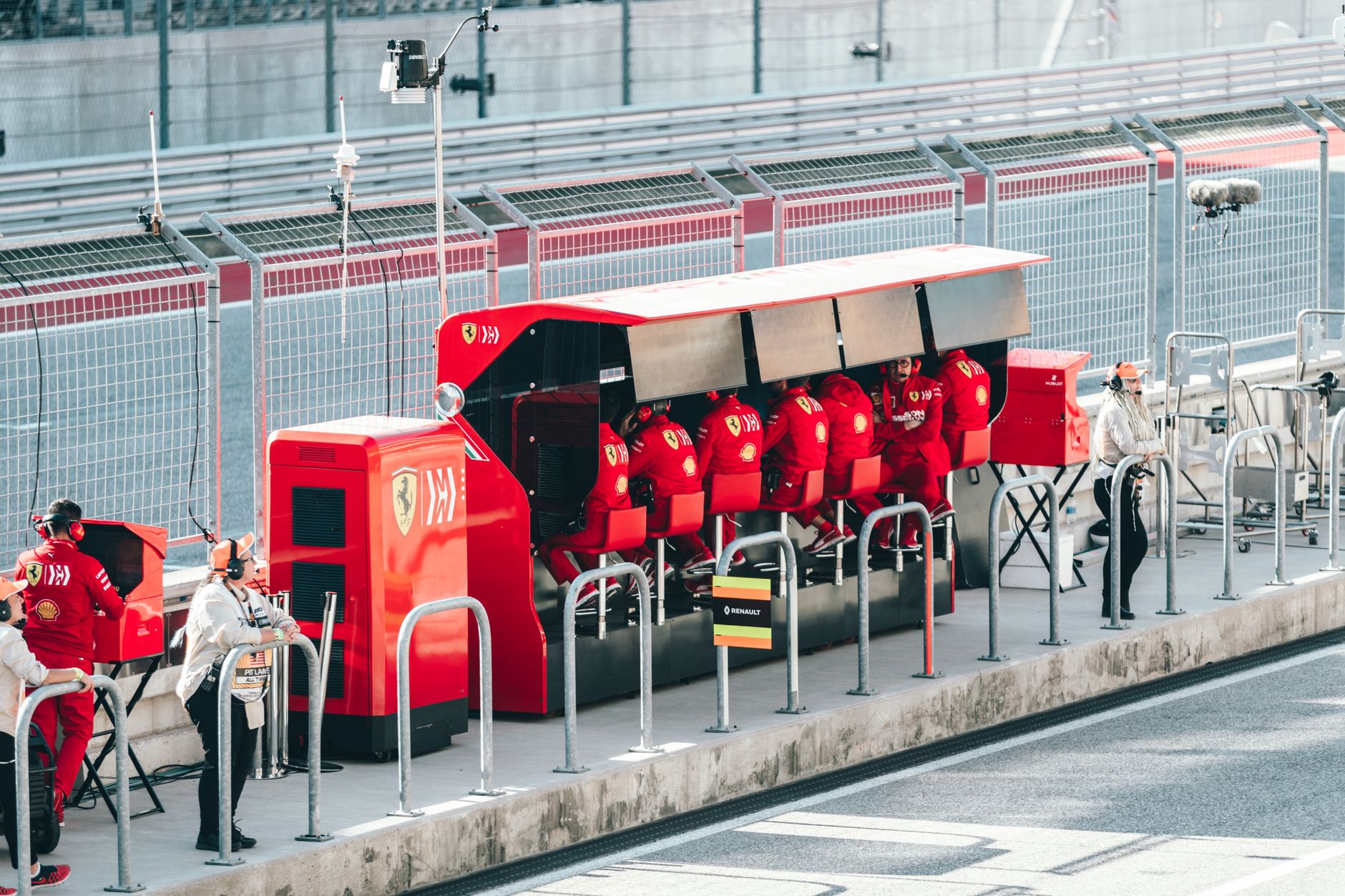
Mercedes first tried to settle Antonelli down through Bonnington. Wolff then came onto the radio himself and told Antonelli to focus on driving, with the discussion to be handled inside the team rather than broadcast repeatedly.
That is the key part of the story. Team principals do not usually join live driver radio unless the moment needs control. Wolff clearly wanted to close the loop before the message became the story.
After the Sprint, Wolff said he had actually enjoyed watching the battle. He also accepted why Antonelli felt upset about being pushed wide.
But Wolff did not want repeated complaints on public radio. He knew the outside narrative could quickly become a Mercedes civil war, especially with both drivers fighting at the top of the championship.
Public reaction
Brundle’s read added weight because he did not dismiss Antonelli’s complaint. After watching the incident closely, he said he could understand why Antonelli felt entitled to more space.
That distinction matters. Brundle was not simply saying Antonelli overreacted. He saw a legitimate racing-room argument, while also noticing that Mercedes felt the emotional temperature had risen too high.
He also pointed to Antonelli’s age and pressure. Antonelli is still a teenager, yet he is leading the championship in a Mercedes seat. That is a rare mix of opportunity and strain.
The standings supplied with the Canadian weekend underline the scale. Antonelli sits on 106 points, with Russell on 88. Charles Leclerc follows on 67, ahead of Lando Norris on 58 and Lewis Hamilton on 52.
That means Mercedes’ internal battles are not just about pride. Every point swap can shape the title race. Every radio complaint can also affect how the garage manages future wheel-to-wheel fights.
Fans will naturally compare this to past team-mate rivalries. Mercedes has lived through that before. Wolff knows how quickly sporting freedom can turn into operational stress when both drivers believe they can win.
Still, this was a Sprint, not the main Grand Prix. Sprints carry fewer points than Sunday races, but they often expose tension because there is less time to recover. Drivers attack early, strategy plays a smaller role, and track position becomes everything.
That made the Russell-Antonelli scrap feel raw. There was no long race plan to hide behind. It was two Mercedes drivers going directly for the same piece of tarmac.
Uncertainty inside Mercedes
The big unknown is how Mercedes will frame the fight internally. Wolff said these moments create useful learning. That suggests the team will review the driving standards with both drivers before the next flashpoint.
The team must decide what counts as acceptable hard racing between its cars. It also must decide how much emotion it will tolerate over open radio.
Those are different questions. Russell may argue he raced firmly and fairly. Antonelli may argue that he deserved more room once he was alongside. Mercedes then has to protect both drivers without allowing resentment to settle.
There is no evidence from the supplied facts that Mercedes has imposed a new rule of engagement. There is also no confirmed disciplinary action against either driver from this incident.
So the story should stay in proportion. This is confirmed tension, public radio management, and a notable Brundle reaction. It is not proof of a broken relationship.
Yet the timing gives it bite. Antonelli leads the championship. Russell is close enough to be a real threat. Mercedes cannot treat this as harmless theatre if similar moments keep happening.
The public radio point also matters for team politics. Drivers often use radio to record their view for race control, the pit wall, and the public. Teams sometimes accept one complaint because it captures the driver’s position.
Repeated complaints become different. They distract the driver, invite headlines, and can make the team look divided. Wolff’s message was as much about discipline as emotion.
Race weekend stakes
The Canadian weekend still had more to run after the Sprint. The supplied schedule listed qualifying on Saturday, 23 May, at 8:00pm, and the Grand Prix on Sunday, 24 May, at 8:00pm in the viewer’s local timezone.
That left Mercedes with little time to reset the tone. A tense Sprint can bleed into qualifying if a driver feels wronged or over-managed.
For Antonelli, the task is delicate. He must keep the aggression that has put him at the top of the standings, while showing he can stay calm when the garage gets noisy.
For Russell, the challenge is different. He needs to race his team-mate hard without handing Mercedes a reason to restrict their fights. If he keeps winning those exchanges, the pressure on Antonelli will only grow.
For Wolff, this was a reminder that a dominant internal pairing creates its own problems. Fast cars collect points. Fast team-mates also collect grievances.
Mercedes will probably prefer the sporting problem. Two drivers fighting for wins is better than two drivers fighting for scraps. But the Canadian Sprint showed how thin the margin can be.
Brundle’s reaction captured that tension neatly. Antonelli may have had a point on racing room. Mercedes may also have had a point in shutting down the radio cycle.
Both can be true. And if the championship remains a Mercedes-led contest, this will not be the last time Wolff has to manage racing, emotion, and headlines at the same time.