The Canadian Grand Prix rain threat has eased before race start, but Montreal has not become predictable.
The latest forecast points to a chilly, overcast Sunday at the Circuit Gilles Villeneuve. The major change is the rain risk. A forecast that had suggested an 80 percent chance of rain during the Grand Prix has now dropped to 18 percent.
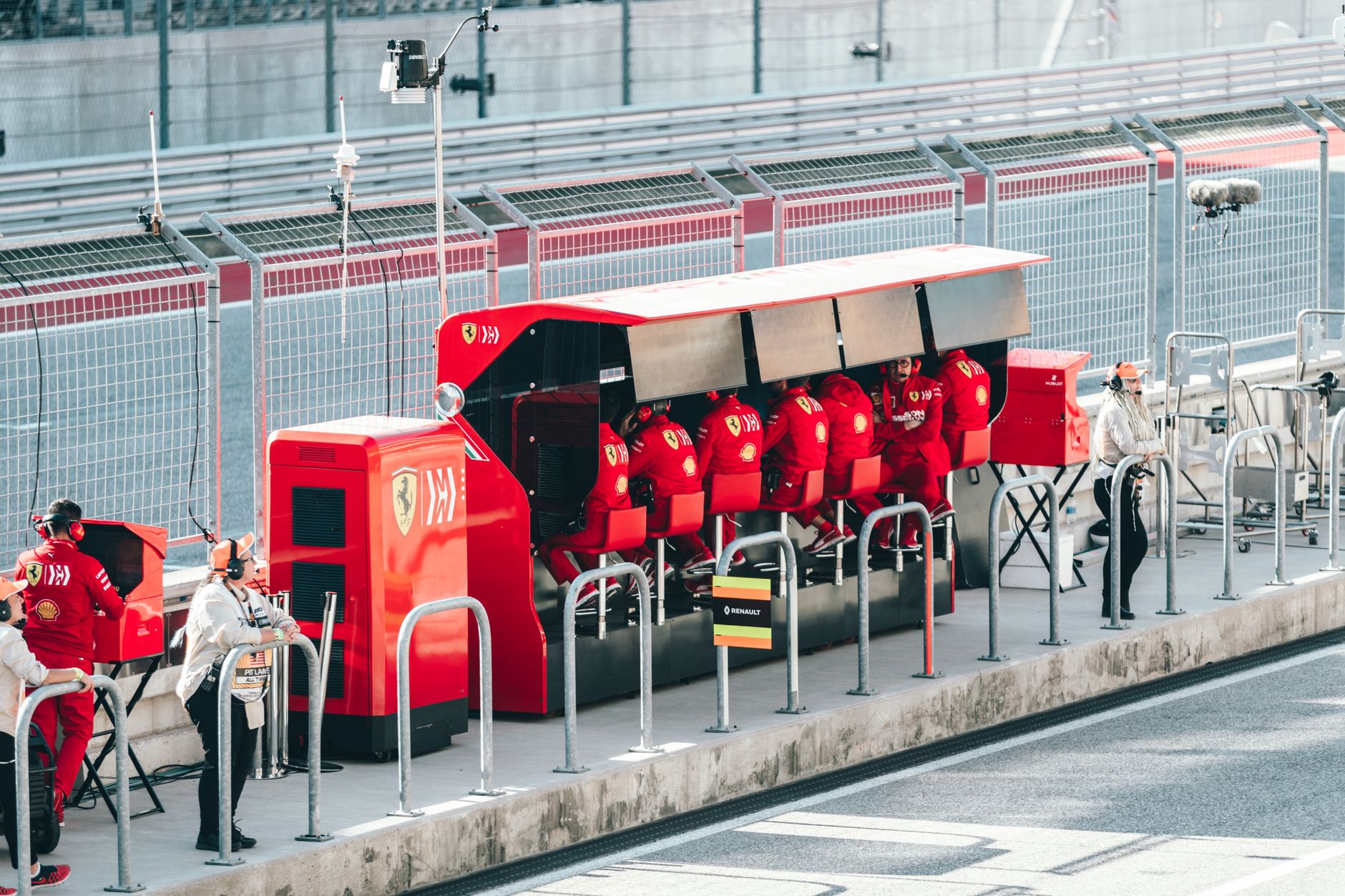
That matters immediately for every pit wall. Canada is already a race where timing can punish hesitation. A lighter rain risk moves teams closer to a normal dry-race plan, but it does not remove the trap.
The Grand Prix is scheduled for 4pm local time in Montreal on Sunday, 24 May. For Indian viewers, that means a 1:30am IST start on Monday, 25 May.
The heavier rain is expected earlier in the day. By the time the race begins, conditions are expected to improve. That creates a different kind of problem. The track may not be fully representative of practice or qualifying, especially if morning showers wash rubber from the surface.
At a circuit like Gilles Villeneuve, that can change the first stint. Less rubber means less grip. Less grip means more wheelspin, longer braking distances and more danger near the walls.
The confirmed picture
The clear fact is that the chance of rain during the race has reduced sharply. Drivers should still prepare for cool and grey conditions, but the forecast no longer screams full wet race.
That shifts the strategic baseline. Teams can start planning around slick tyres, the dry-weather tyres used when there is no standing water. They will still keep intermediate and wet tyres in the conversation, because Montreal can change quickly.
Intermediates are the middle-ground tyre for a damp track. Full wets are used when there is heavier rain and standing water. The judgment call is not always obvious. One lap too early or too late can ruin a race.
The timing of the rain is the key detail. If the worst weather falls in the morning, the race may begin on a drying or cleaned track. That often makes the opening laps more delicate than a straightforward dry start.
Drivers will need confidence on braking. Canada rewards late braking, but the walls punish small errors. The circuit is fast, narrow in places and unforgiving when a car gets out of shape.
That is why the forecast still matters even with only an 18 percent rain chance. The number is lower, but the weekend has not become simple.
Brundle’s warning from the paddock
The wider paddock conversation is not just about rain. It is about these cars in rain.
Former Formula 1 driver Martin Brundle has pointed to the lack of competitive wet running in the 2026 machinery so far. His concern is simple. The drivers have not yet had enough real evidence of how these cars behave when pushed hard in wet conditions.
That is important because the current cars are described as having huge power, less downforce and less grip. Downforce is the aerodynamic pressure that pushes a car into the track. When there is less of it, drivers cannot lean on the car as much through corners.
In the dry, they can manage that through tyre temperature, braking balance and careful throttle use. In the wet, the margin shrinks. Power delivery becomes more sensitive. A small slide can turn into a major moment.
Brundle also noted a striking Montreal trend. Only one of the last eight Grands Prix at the circuit has run without some form of Safety Car.
That is not random. At many modern circuits, a driver can slide wide and stop in a large run-off area. In Montreal, mistakes often leave a car close to the racing line or against a barrier.
A Safety Car can reset the race. It bunches the field, cuts time gaps and opens cheaper pit stops. For teams, that makes Canada a race where the best strategy on paper may not survive contact with reality.
For fans, it is why Montreal often feels alive even when the weather does not fully arrive.
The uncertainty still left
The uncertain part is the condition of the track at lights out.
If rain clears well before the start, teams may face a cool but mostly dry race. If showers linger, the opening laps could become a tyre gamble. If the surface dries unevenly, drivers may find grip on one side of the track and lose it on the next braking zone.
That uncertainty is bigger this year because the Canadian round is being held several weeks earlier than last season. The expected temperatures are not as warm as in some past visits. Cooler air and cooler track temperatures can make tyres harder to switch on.
When tyres are slow to warm, drivers struggle for grip at the start of a stint. That can make the undercut less powerful. An undercut is when a driver pits earlier and uses fresher tyres to gain time before rivals stop.
But if the track is damp or cool, the new tyre may not deliver immediate pace. That gives teams another variable to judge from the pit wall.
Montreal has a long memory for weather chaos. The 2011 Canadian Grand Prix remains the obvious reference point. That race had a rain delay of more than two hours and became the longest Formula 1 round from lights to flag, lasting four hours and four minutes.
Jenson Button’s win that day became part of F1 folklore. He had contact with McLaren team-mate Lewis Hamilton, dropped to last, then fought back through the field. On the final lap, he passed Sebastian Vettel to complete one of the sport’s most dramatic recoveries.
No forecast says this Sunday must become another 2011. That would be a wild assumption. But Canada does not need extreme weather to create disorder.
A damp morning, a cooler track, low wet-running knowledge and a circuit with little forgiveness are enough to sharpen the race.
For championship contenders, the sensible target is damage control first and opportunity second. A clean start, stable tyre temperatures and fast reaction to any Safety Car may matter more than raw one-lap pace.
For midfield teams, this is the type of day that can open a door. A well-timed stop under neutralisation can turn a modest grid slot into points. A poor call can bury a driver before the race has settled.
The rain threat has eased. The Canadian Grand Prix has not.