George Russell put Mercedes on Canadian Grand Prix pole with a final-lap strike that also sharpened a growing internal fight.
The Briton beat team-mate Kimi Antonelli by just 0.068 seconds in Montreal qualifying. It was a statement lap at a track where Russell has built a serious recent record.
He had not looked in control for much of Q3. Antonelli sat on provisional pole, while Russell was only seventh before his last attempt.
Then came the lap that changed the front of the grid. Russell committed through the final chicane, caught the car, and found enough time to clear his rookie team-mate.
It gives Mercedes the cleanest possible launchpad for Sunday. It also puts two ambitious drivers on the same front row after a Sprint race that already carried tension.
Confirmed facts from Montreal show a strong Mercedes baseline. Russell starts first, Antonelli second, Lando Norris third and Oscar Piastri fourth. Lewis Hamilton qualified fifth, while Charles Leclerc ended up eighth.
That order matters because Montreal often rewards track position. The Circuit Gilles Villeneuve has long straights, heavy braking zones and walls close enough to punish small errors.
A front-row lockout gives Mercedes control of the opening phase. The lead car can protect clean air, while the second car can cover attacks from McLaren behind.
But the team dynamic is less simple.
Russell and Antonelli had already clashed in the Sprint. Russell moved firmly at Turn 1, forcing Antonelli wide. Antonelli later accepted responsibility for an ambitious move at Turn 8, but also felt Russell could have raced him more fairly.
That distinction is important. Antonelli did not present himself as blameless. He still made clear that his team-mate’s first-lap conduct had crossed a line for him.
Mercedes then had to manage the emotional temperature. Pete Bonnington and Toto Wolff both told Antonelli to calm down over the radio after the incident.
For Russell, the message looked clear. He is not treating Antonelli like a protected youngster. He is treating him as a direct rival.
That is the natural cost of Mercedes having two quick cars and two drivers with different career pressures.
Russell has experience, authority and a history of strong Montreal weekends. This pole is his third consecutive one at the venue, according to the supplied qualifying record.
Antonelli has raw speed and the championship opportunity in front of him. He also has to learn how hard to push inside a team that still needs both cars scoring heavily.
Toto Wolff has publicly resisted calling Antonelli a title favourite. That reduces pressure on a young driver, but it also frames Russell as the more established reference point.
The race could test whether that balance holds.
Norris is the clearest threat to Mercedes. The reigning World Champion qualified third and was ahead of Piastri in all three qualifying segments.
He also chased Russell during the Sprint and took advantage when Antonelli made a mistake. That means McLaren should not be dismissed as a second-row passenger.
Norris said McLaren was surprised to be so close because it was not using all of its upgrades this weekend. He also said the team had not yet extracted everything from the package.
That is useful context for Sunday. Mercedes may have brought a stronger upgrade package, but McLaren appears close enough to turn pressure into opportunity.
If Russell and Antonelli fight too hard, Norris starts in the perfect position to benefit. Piastri, from fourth, gives McLaren a second strategic card.
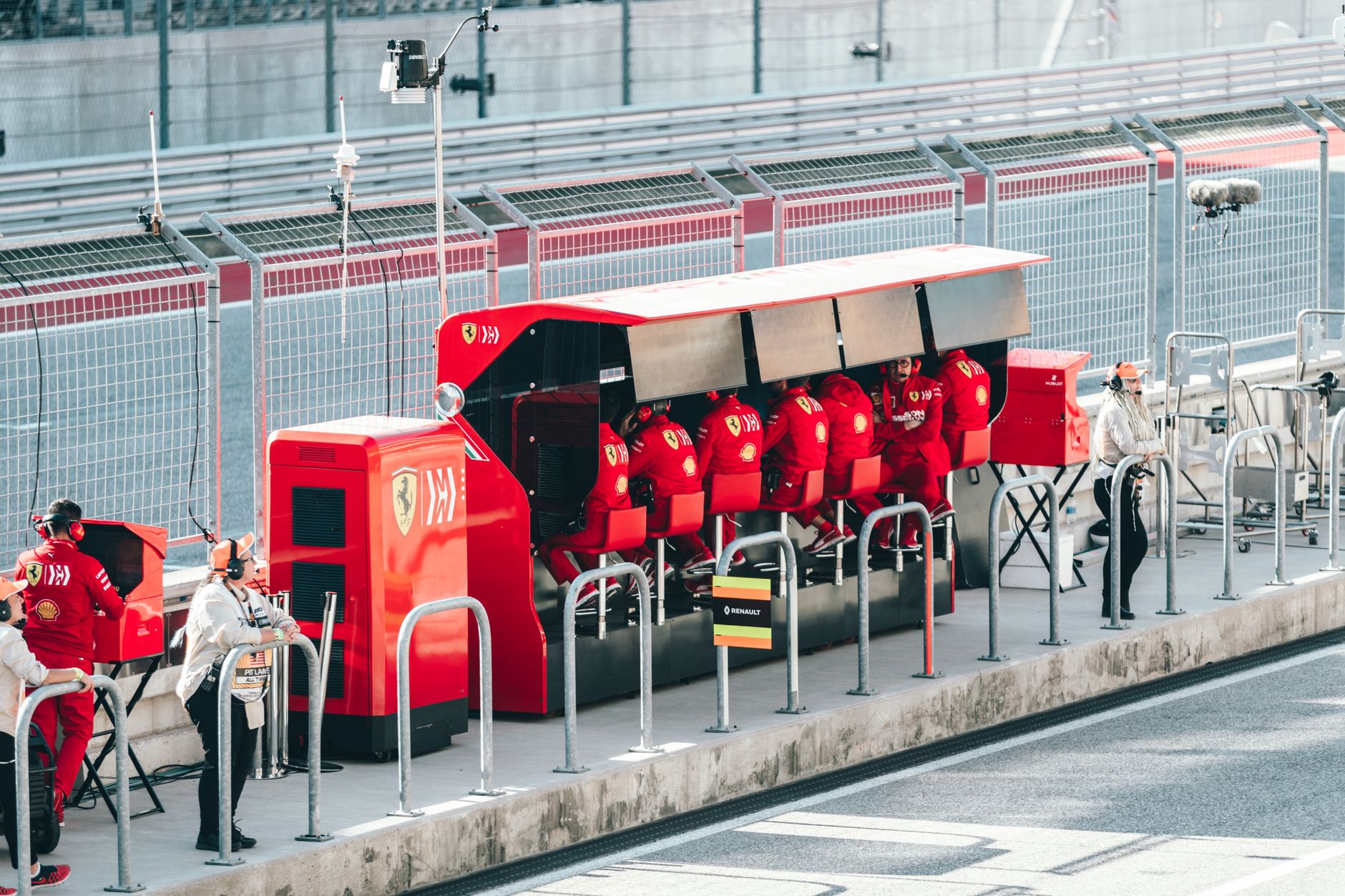
Ferrari’s story looks more split. Hamilton starts fifth, which keeps him near the leading group. Leclerc, only a tenth behind his team-mate, qualified eighth because the field is so compressed.
Leclerc called the session a disaster and described the weekend as one of the most complicated of his career. He pointed to tyre and brake problems affecting his rhythm.
Tyres and brakes are central in Canada. Drivers need confidence to attack the kerbs, stop the car repeatedly, and launch out of slow corners.
If that feeling is missing, a lap quickly becomes defensive. A tenth can drop a driver several places when the midfield and leading pack are tightly bunched.
Leclerc also suggested Canada has rarely worked well for him, even when Ferrari has been competitive for others. That is not a technical diagnosis by itself, but it shows how much confidence shapes lap time at this circuit.
Red Bull’s qualifying picture was more concerning. Max Verstappen was around three tenths off the front and struggled with the RB22’s behaviour through the weekend.
The reported issues centred on ride quality and confusing straight-line speed. In simple terms, the car was not giving Verstappen the platform or efficiency he wanted.
Ride quality matters more in Montreal than at smoother permanent tracks. Drivers need the car to absorb kerbs without bouncing or losing rear stability.
Straight-line speed matters because overtaking chances often come on the run to the final chicane and into Turn 1. If the drag level or power delivery feels wrong, race planning becomes harder.
Verstappen’s Sprint was described as lonely. He could not stay with the top six, but he remained clear of the pack behind.
That suggests Red Bull may be caught between groups. It may not have the pace to attack Mercedes and McLaren in normal conditions, yet still has enough speed to avoid a heavy midfield fight.
Isack Hadjar adds another detail. His Sprint was hurt by an engine problem, but he rebounded in qualifying and was close to Verstappen again. He was also quickest in Q2.
That matters for Red Bull’s wider driver story. Hadjar had a poor Miami Grand Prix weekend, but Montreal has shown his pace and resilience returning.
Public reaction from the paddock has centred less on pure lap time and more on tone. The Russell-Antonelli exchange, the radio messages and the post-session attempts to play down tension have made Mercedes the main human story.
There is no confirmed team crisis from the supplied facts. There is, however, visible competitive friction.
That distinction matters. Fast team-mates often create awkward moments before they create formal problems. Mercedes knows that history well.
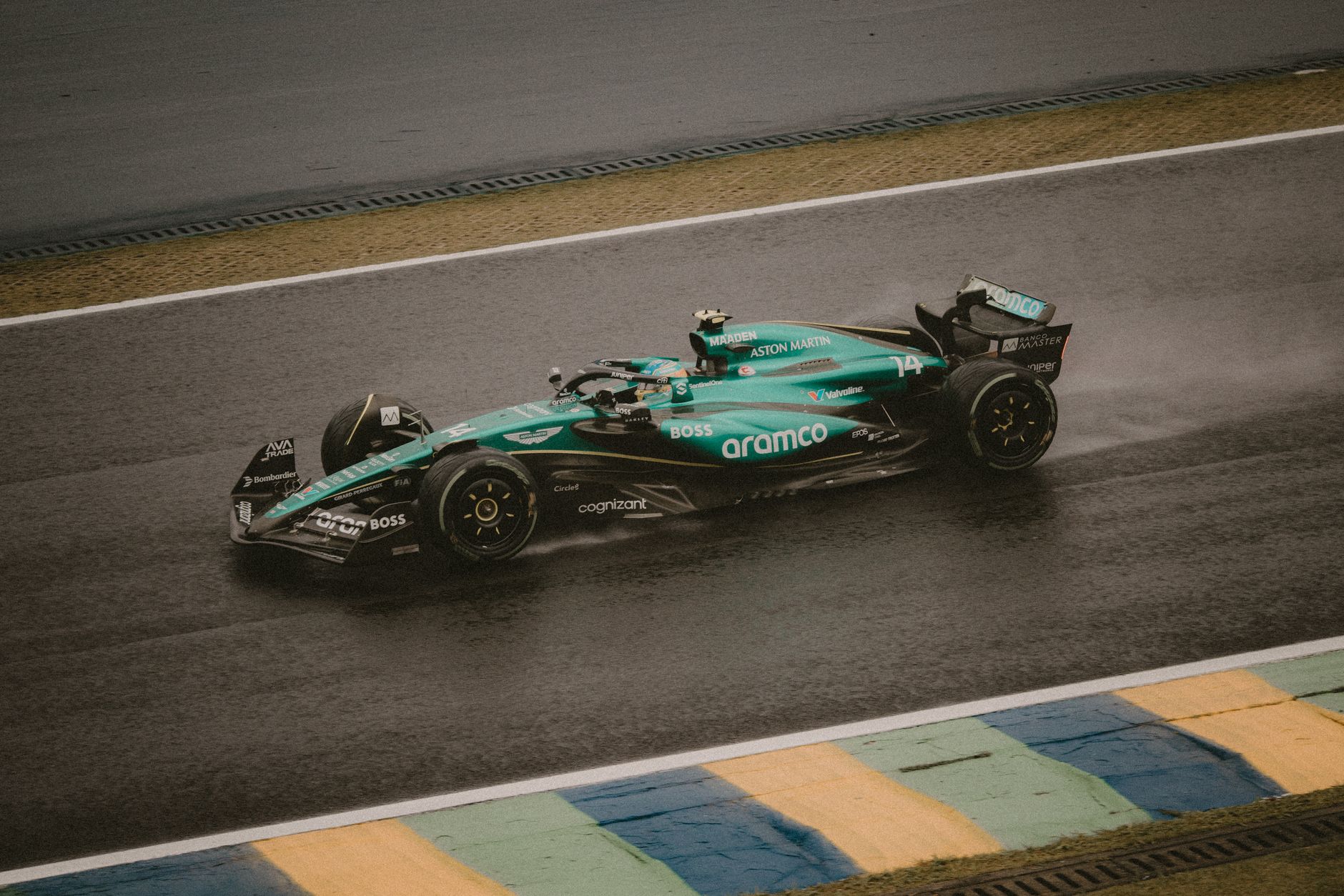
The uncertainty before the Grand Prix is mainly weather and race management. Rain is forecast as a possible factor, and wet conditions would change the value of Saturday’s form.
Wet running reduces the comfort of clean predictions. It brings tyre temperature, visibility and driver confidence to the front.
Verstappen, in particular, could become more dangerous if rain arrives. The supplied facts note his experience with how difficult the 2026 cars can be in wet conditions.
For Mercedes, rain would complicate a race it currently controls on paper. For McLaren, it could turn second-row pressure into a real victory chance.
For Ferrari, it may offer recovery or expose the same tyre and brake weaknesses Leclerc has already felt.
The headline remains Russell’s pole. But the story underneath is bigger than one lap.
Mercedes has speed, but also a live internal contest. McLaren has enough pace to interfere. Red Bull has questions around balance and momentum. Ferrari has one car near the fight and another searching for confidence.
Montreal has given Russell the best starting point. It has not given him a quiet Sunday.