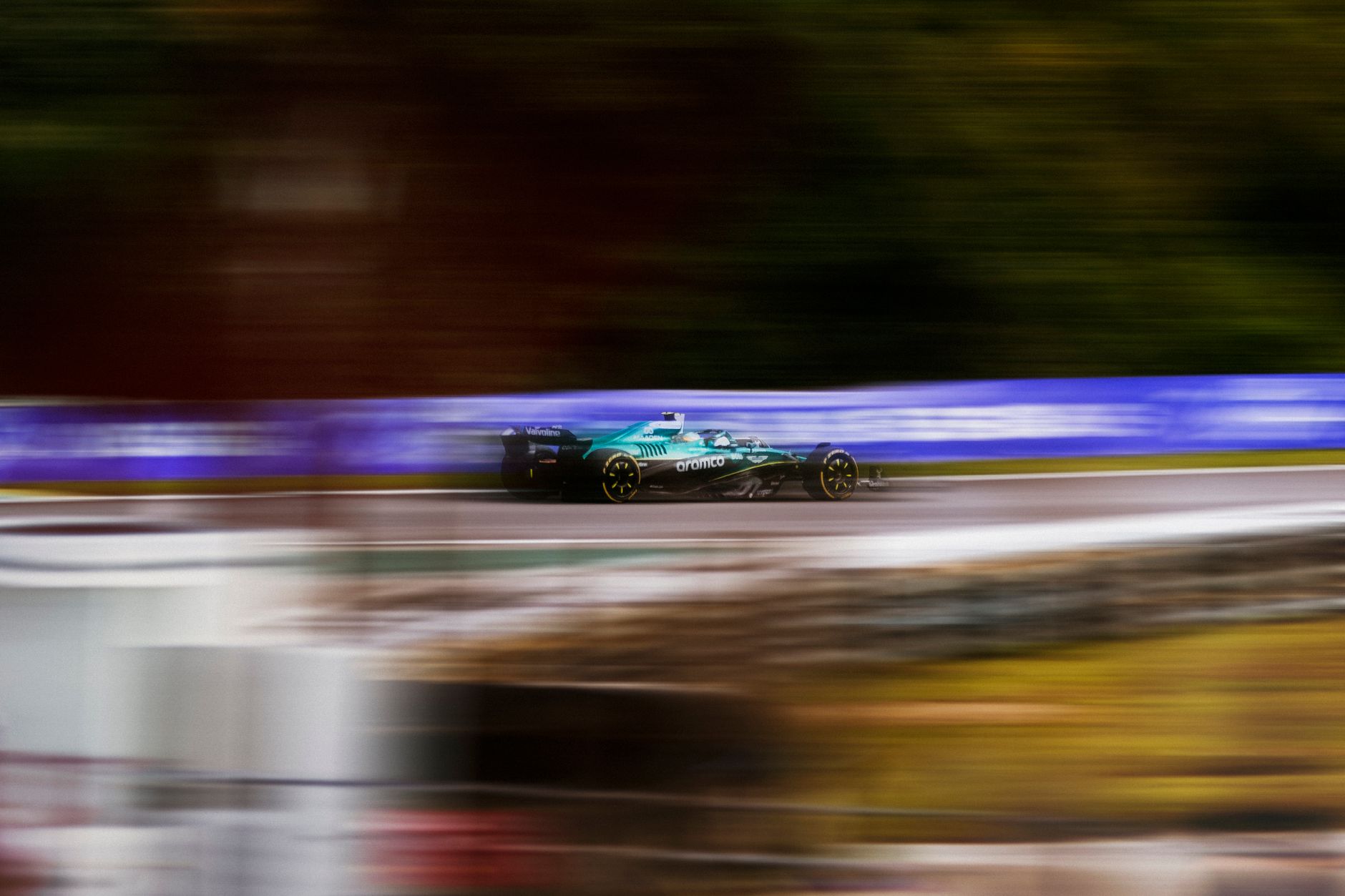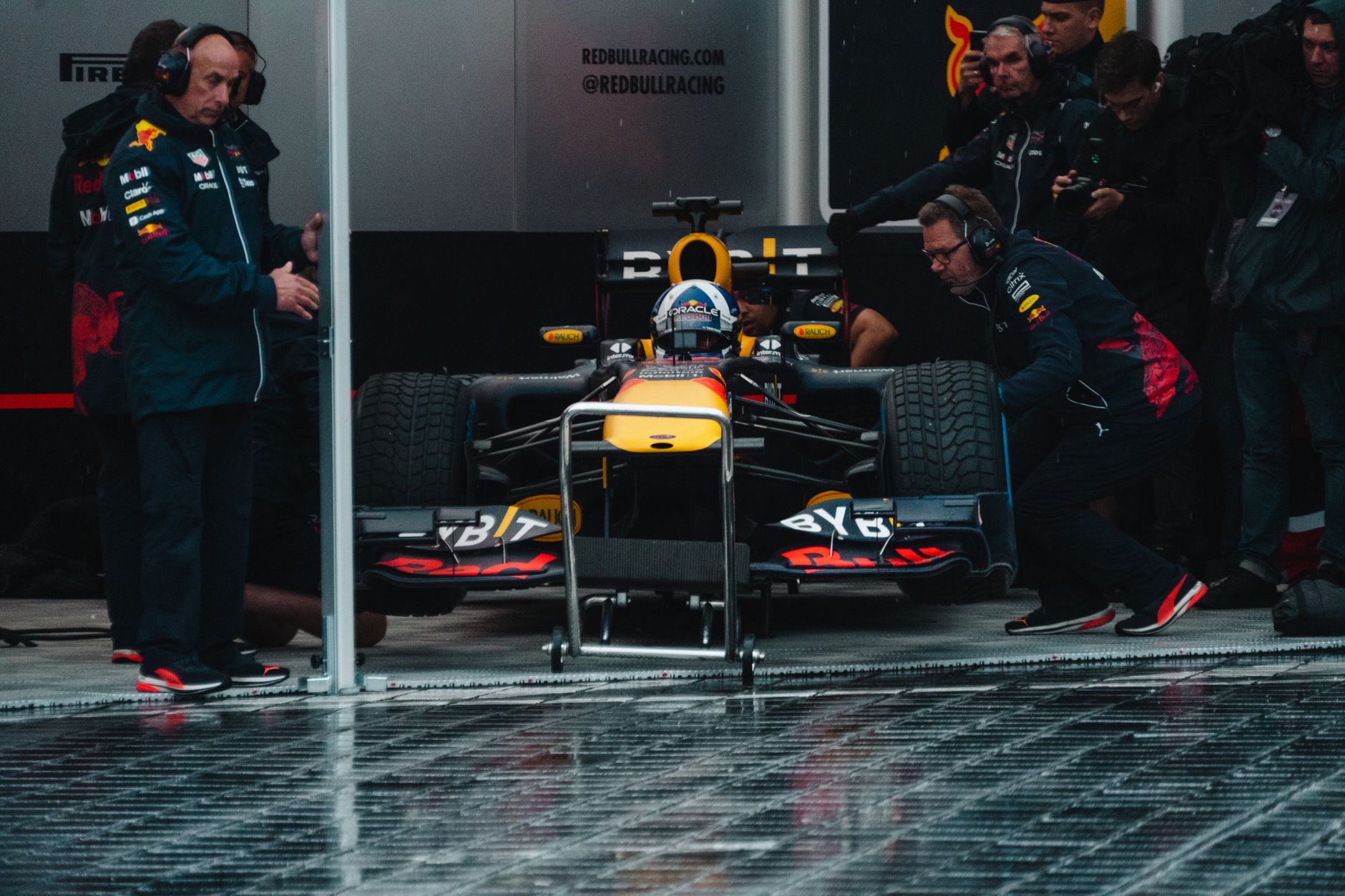
Alisha Palmowski turned pole position into total control in Montreal, taking her first F1 Academy win of the 2026 season and leading a Campos Racing one-two.
The Red Bull Racing-backed driver owned the Opening Race from the start. She launched cleanly from pole, kept the lead into the opening phase, and never gave the field a realistic chance to fight back.
By the chequered flag, Palmowski had pulled 10.1 seconds clear of teammate Megan Bruce. That margin was not just comfortable. It was the largest winning margin in F1 Academy history.
For a support-series weekend built around short races and tight margins, that gap matters. It shows pace, tyre control, and race management. It also tells the rest of the grid that Palmowski did not simply convert a good qualifying result. She controlled the whole contest.
Campos Racing could hardly have asked for a cleaner headline. Palmowski won, Bruce finished second, and the team locked out the top two positions in the Opening Race at Montreal.
Bruce’s result carried its own weight. She had to work harder than her teammate, because the fight behind her stayed alive. Payton Westcott, representing Mercedes, and Mathilda Paatz, linked with Aston Martin, both applied pressure in the podium battle.
Bruce held firm and secured her first podium in the series. That is a key step for any young driver. A first podium changes the tone around a campaign. It proves race execution under pressure, not just single-lap promise.
Paatz completed the podium after Westcott made an error. The mistake opened the door, and Paatz took it. In junior racing, that instinct matters. Drivers do not always need the fastest car to gain places. They need to stay close enough to punish a slip.
Westcott’s missed chance will sting, especially after being in the podium fight. But her pace kept her in the front group, which remains useful evidence across the weekend.
Rafaela Ferreira finished fourth, ahead of Alba Larsen in fifth. Those positions may not carry the same headline value as a win or podium, but they still matter in a points-based championship. F1 Academy seasons can swing on consistent scoring, especially when reverse-grid races and penalties mix up the order.
The recovery drive of the race came from Ella Lloyd. The McLaren-supported driver started 16th and finished sixth, gaining 10 places.
That kind of charge is not easy in a short-format race. It needs sharp first-lap judgement, decisive overtaking, and enough patience to avoid contact. Lloyd’s result also softens the damage from starting so far back. Sixth from P16 is the sort of drive teams notice, even when it does not come with a trophy.
The rookie points also stood out. Kaylee Countryman finished seventh, while Ella Stevens took eighth. Both opened their F1 Academy points accounts in Montreal.
For rookies, early points can settle a season. They give drivers a reference point and reduce the pressure to chase too much too soon. In a field where many drivers are still learning racecraft, tyre behaviour, and F1 weekend routines, finishing in the points is a real marker.
Nina Gademan initially crossed the line in sixth, but her result changed after the race. The Alpine-backed driver received a five-second time penalty for failing to follow the Race Director’s instructions while rejoining at Turn 13.
That dropped her to ninth. The incident is a useful reminder of how race control rules affect more than safety. A rejoin instruction tells a driver how to return to the track after leaving it. If race control sets a path or procedure, drivers must follow it. Ignoring it can create risk, and it can also cost track position.
For Gademan, the penalty turned a strong sixth place into a smaller points finish. That is a costly swing in a series where every point can matter.
Emma Felbermayr’s race began badly. The Audi-supported driver stalled at the start, putting herself on the back foot before the race properly developed.
She recovered to finish 10th and take the final point. That is not the result she would have wanted, but it still limits the damage from a disastrous launch. In junior categories, starts are often decisive because races are shorter and strategy options are limited.
Palmowski’s win also adds another layer to her weekend. She had already put herself in control by taking pole, then made the race look straightforward. That combination is usually what separates a promising qualifying performance from a championship-level weekend.
The Circuit Gilles Villeneuve setting adds to the challenge. Montreal rewards commitment, but it also punishes messy exits and poor judgement. The walls sit close. Drivers need confidence under braking and clean traction out of slower corners.
F1 Academy races on Grand Prix weekends also carry a different level of attention. Drivers are not competing in isolation. They race in front of F1 teams, academy programmes, sponsors, and fans who are already tuned into the wider weekend.
That makes Palmowski’s performance more valuable. A dominant win in Montreal, on an F1 support bill, travels further than an ordinary race result. It builds momentum inside her own campaign and sends a clear message across the paddock.
Campos Racing will take the team result with real satisfaction. A one-two finish gives the team a major points haul and validates its preparation. It also creates useful internal pressure, because both drivers now leave the Opening Race with strong evidence of pace.
The weekend moves quickly from here. Countryman is set to start from pole for the Reverse Grid Race later on Saturday, with lights out scheduled for 18:05 local time in Montreal.
A reverse-grid race flips part of the order to create more overtaking and variety. It often gives drivers from outside the usual front row a chance to lead, while faster cars need to fight through traffic.
That means Palmowski’s next task will look very different from her first. She will not have the simple luxury of controlling the race from the front. She will need judgement, patience, and clean overtakes if she wants to add more major points.
Countryman, meanwhile, has a rare chance. After scoring her first points in seventh, she now gets a first F1 Academy pole start. If she launches well and controls the opening lap, she can turn a breakthrough morning into a defining day.
For Indian and global fans following the full Canadian race weekend, the F1 Academy storyline now has a clear centre. Palmowski has landed the biggest statement so far, Campos has momentum, and the reverse-grid format gives the field an immediate chance to answer.