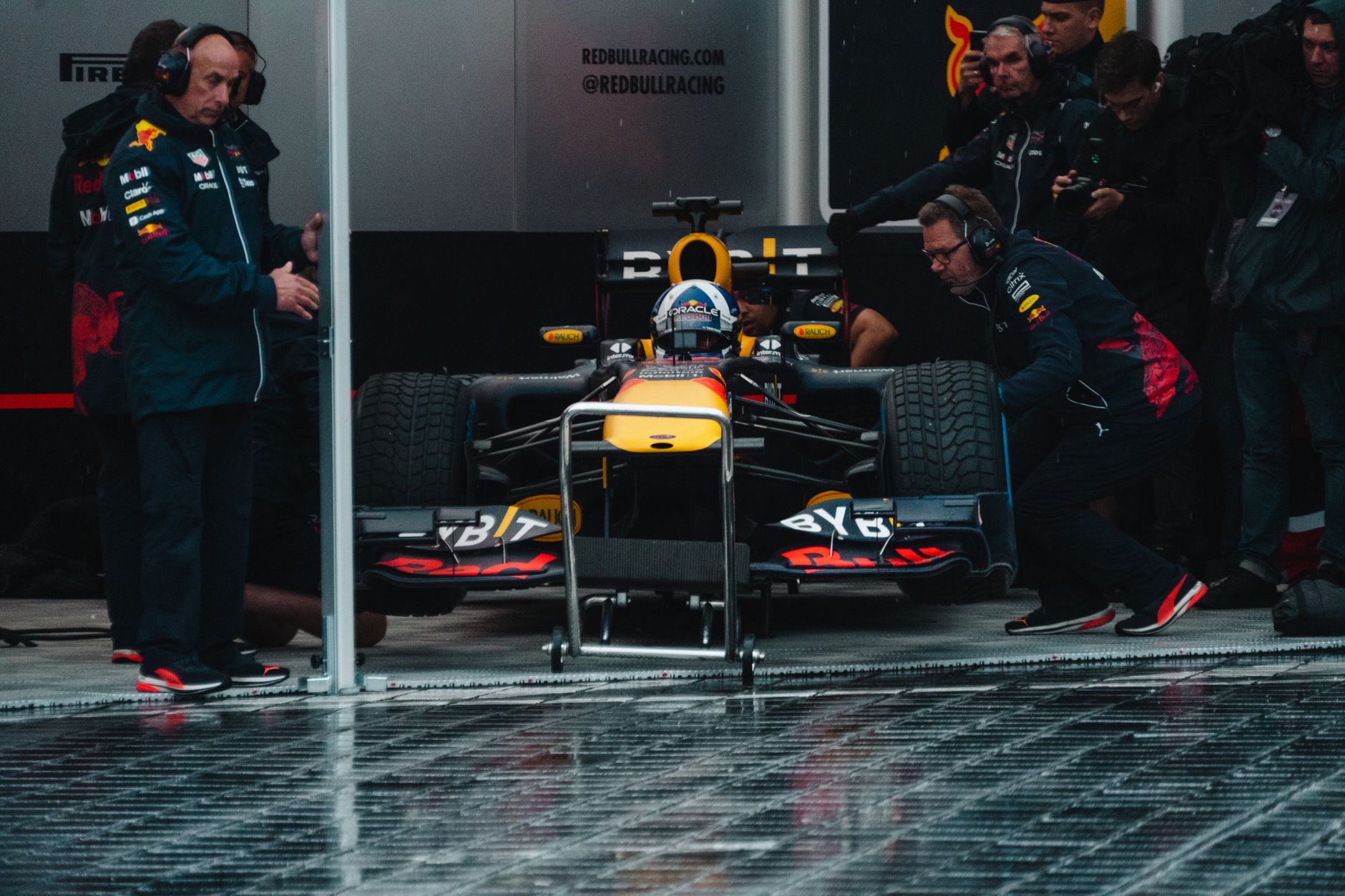
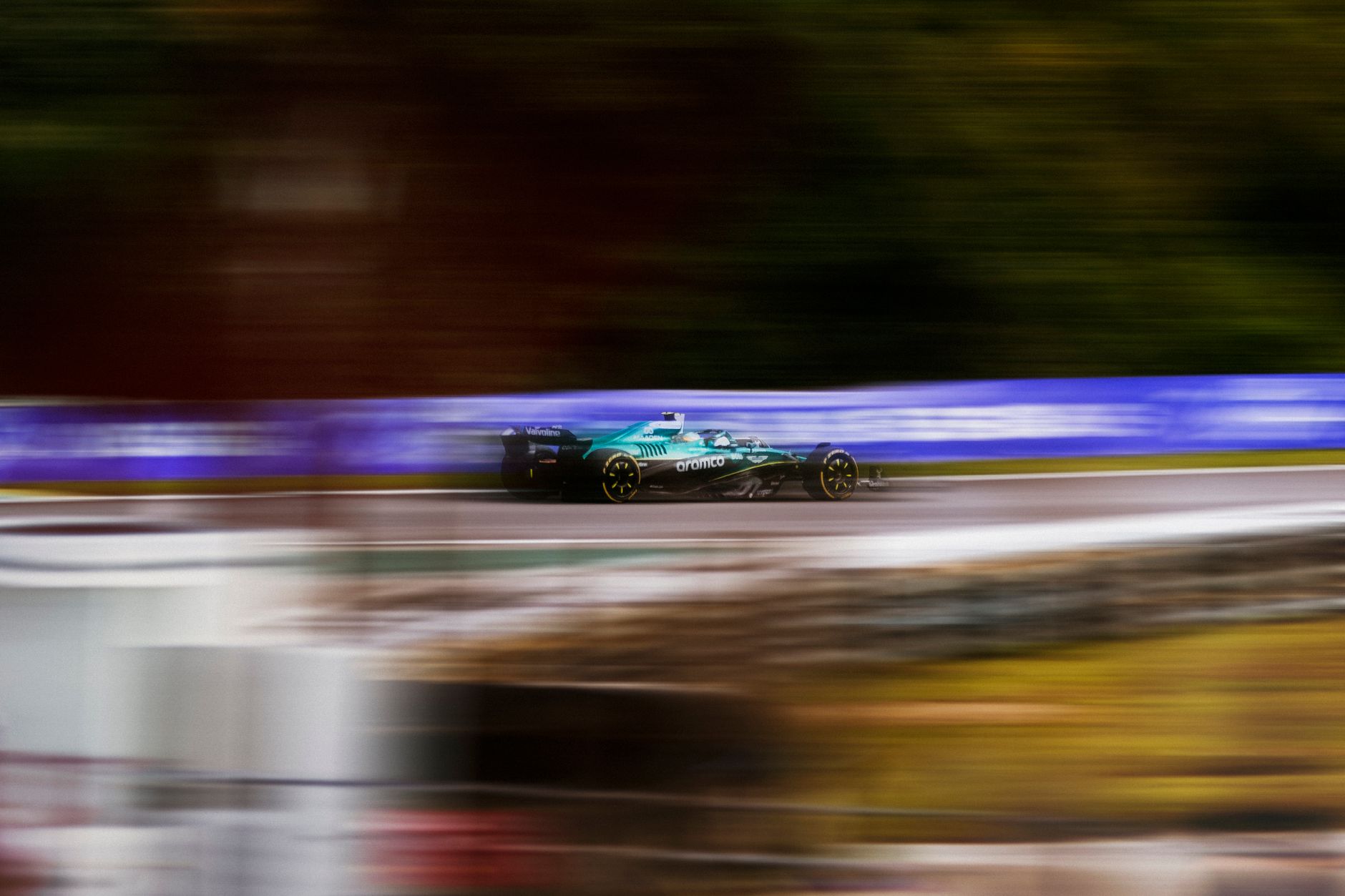
Alba Larsen has lost a Montreal F1 Academy podium after a post-race penalty reshaped the Reverse Grid Race result.
Larsen, Ella Lloyd and Autumn Fisher were all given five-second time penalties after separate collisions in the race. The decisions changed the finishing order, promoted Kaylee Countryman to second, and moved Payton Westcott onto the podium in third.
The biggest consequence fell on Larsen. She had crossed the line third, which would have been a major result for the Ferrari-backed driver. Instead, the added five seconds dropped her to 11th.
In a sprint-style support series, five seconds can feel small on paper. On track, it can decide a podium, points, and momentum across a whole weekend.
Montreal delivered that lesson with little room for debate. Three incidents went before the stewards after the race, and all three ended with the same sanction.
The first case involved Larsen and Emma Felbermayr at Turn 8. Larsen was fighting for position through Turn 7 when she hit the orange kerb, then made contact with Felbermayr. The impact spun the Audi driver.
The stewards focused on car positioning at corner entry. They ruled Larsen did not have her front axle far enough alongside Felbermayr’s car, specifically not alongside the mirror of the number 5 machine, before entering the corner.
That detail matters in racing judgment. It is the difference between a fair overlap and a lunge where the following car carries responsibility. The stewards decided Larsen was wholly to blame.
Her penalty changed the front of the result. Paatz kept the victory after a dramatic Reverse Grid Race, while Countryman moved up to second. Westcott completed the podium after Larsen’s demotion.
For Larsen, the damage went beyond the trophy photo. A podium in F1 Academy brings visibility, confidence and useful championship value. Losing it after the flag is one of the harder ways to leave a race weekend.
Lloyd’s penalty came from a separate incident with Rachel Robertson at the exit of Turn 14. That section in Montreal often compresses the field because drivers are trying to finish the lap cleanly while preparing for the next straight.
After reviewing the session, the stewards found Robertson had not braked before the collision. They also noted the PUMA driver was following the car ahead of her at that moment.
That meant blame moved to Lloyd. The McLaren driver received the same five-second penalty and dropped from seventh to 13th.
That was a costly swing in the lower points fight. In F1 Academy, only the top finishers score, so a penalty from seventh can remove a driver from the useful end of the classification.
It also changed the race reward for those behind her. When penalties hit after the chequered flag, drivers who stayed clean often gain places without passing another car on track.
Fisher was the third driver penalised. Her incident involved Ava Dobson at Turn 7, another busy point in the Montreal lap.
The stewards reviewed video footage and considered the sequence at corner entry. Dobson was ahead of Fisher when the pair reached Turn 7.
Fisher stated it was a mistake and that she could not avoid the contact. The stewards still held her wholly responsible for causing the collision.
Her five-second penalty moved her down from 13th to 14th. That was a smaller numerical drop than Larsen’s or Lloyd’s, but it still added to a messy post-race picture.
The final revised order behind Paatz changed clearly. Countryman was promoted to second, with Westcott third. Natalia Granada moved up to fourth.
Lisa Billard took fifth, ahead of Felbermayr in sixth. Megan Bruce was classified seventh, while Rafaela Ferreira claimed the final point in eighth for Racing Bulls.
That final point matters. In a category built around development and opportunity, every point can strengthen a driver’s case across a season. It can also shape team confidence heading into the next round.
The penalties also underline how strict the stewards can be on corner responsibility. Junior categories often produce close racing because drivers are learning where the limits sit. The rules still expect control, timing and a realistic overlap before contact.
A five-second time penalty is common for collision blame because it punishes the result without removing the driver from the classification. It is less severe than a drive-through or grid penalty, but it can still rewrite a race when the field is tight.
Reverse grid races make that risk sharper. The format places some faster drivers behind others to create more overtaking and more pressure. It rewards clean aggression, but it punishes impatience quickly.
Montreal magnifies that pressure. The circuit gives drivers walls, kerbs and narrow braking zones. A small misjudgment can push one car into another before either driver has much chance to recover.
That is why the Turn 7 and Turn 8 incidents carried such weight. If a driver hits a kerb while attacking, the car can bounce or slide into the rival beside them. The stewards still judge whether the move was properly established before that moment.
For fans, the revised classification may feel harsh if they watched the podium battle unfold live. But post-session reviews exist because not every incident can be fully judged during the race.
Video, car position and driver evidence can all change the outcome. In this case, the stewards issued three separate decisions and applied a consistent penalty across all of them.
The result leaves Paatz with the headline victory, Countryman with a promoted second place, and Westcott with a podium that arrived through the stewards’ room. It also leaves Larsen with the frustration of seeing a third place vanish after the flag.
Lloyd and Fisher will face a similar lesson from Montreal. The pace to fight in the pack is only part of the job. The other part is judging when the corner belongs to someone else.
For the championship picture, the clean finishers gained the most from the chaos. Granada, Billard, Felbermayr, Bruce and Ferreira all benefited in the final order, with Ferreira taking the last available point.
The Montreal Reverse Grid Race will be remembered for Paatz’s maiden win, but the final classification tells a wider story. In F1 Academy, development is measured not only by speed, but by decision-making under pressure.
This time, three five-second penalties turned that pressure into a major result change.